The Homepage Hero is Your Storefront
Your homepage hero is your digital storefront, and users are forming opinions about your business in milliseconds. The design choices you make in those first few seconds determine whether someone sticks around or clicks away. Get your hero right and the rest of your site has a real chance to do its job.
The Homepage Hero is Your Storefront
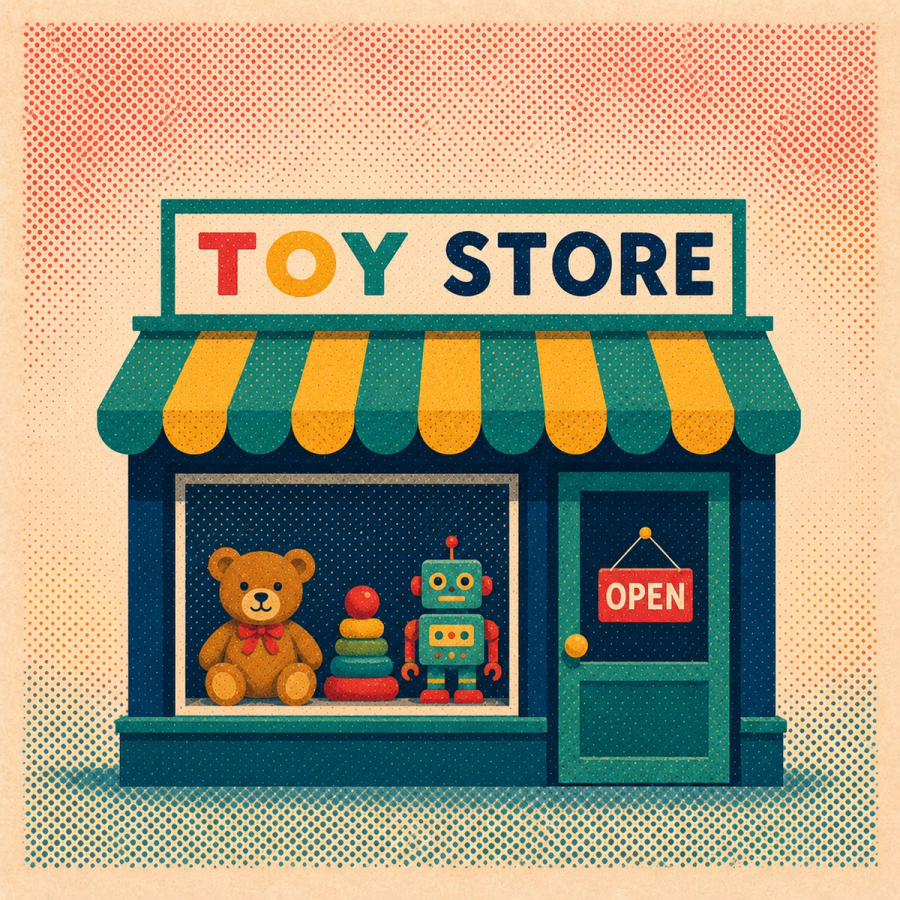
Picture this: you're walking through a quaint downtown and block after block, you see local shops. There's a toy store displaying stuffed animals and trains, a jewelry store showing off rare gemstones, and a tea shop with plants spilling out of the windows.
As you peek into each store, an opinion is unconsciously forming in your brain.
"That stuffed animal looks worn out. Has it been returned a few times?"
"That ring is beautifully catching the sunlight."
"The barista is smiling so much as she explains where that tea is from!"
We do this every single day when we encounter a business's digital storefront: the homepage. I tell my clients this all the time: your homepage is the most important page on your entire website. Most of the time, it's the first page someone will visit, and potentially the last if they don't like what they see.
Users form an opinion of your e-commerce website in milliseconds, almost before they can even articulate why they like or don't like what they're seeing. It's unconscious and automatic.
Trust is Key
When users are deciding whether to purchase something from your e-commerce website, they're first figuring out if they can trust you and your product. They want to know if what you're selling can fulfill a need in their life, and they want to know you're the right business to provide it.
When it comes to selling higher priced items, like furniture, gaining the user's trust is paramount. They're taking a risk purchasing from you, and you need to show them you can deliver on what you're promising.
Almost every design decision made on an e-commerce website is in service of one main goal: gain trust.
Social Proof
When you apply to a job, typically the first step is sending your resume. You're proving you have competence based on your prior experience.
The same idea applies to selling a product online. A potential customer wants to know you have experience making other customers happy. This is where social proof comes into play.
I recommend to my clients that they include some form of social proof in their homepage hero. Whether that's review ratings, a testimonial, or a well known brand logo, showing that others trust you and your product will earn the trust of your website users.
Users are subconsciously trying to reduce risk while shopping, and showing them others had a good experience on your online store helps them feel more at ease before entering their payment information and clicking the Buy button.
Imagery
Let's be honest: people don't read online. They skim. That's why imagery is so effective on e-commerce websites.
But showing your product in a bare white studio isn't always the most effective approach for your homepage hero. Users want to see your product being used out in the real world. This subconsciously helps them imagine how that product fits into their own life.
If you're selling a leather handbag, show it on someone's shoulder as they walk into a coffee shop. If you're selling outdoor furniture, show it on a patio with friends gathered around. The goal is to help users picture themselves using what you're selling, and that's hard to do when the product is stripped of all context.
Quality matters too. Blurry photos or inconsistent lighting will quietly chip away at the trust you're working so hard to build. Hero imagery is one of the few places it's worth investing in professional photography. You don't need a massive shoot, just a handful of strong lifestyle shots that feel authentic to your brand.
And don't forget about performance. A beautiful hero image that takes four seconds to load is actively hurting you. A slow homepage is a homepage users are leaving before they ever see your product.
A Clear Call-to-Action
Here's something I see all the time: a beautiful hero with stunning imagery, great social proof, and zero direction on what to do next. Or worse, three competing buttons all fighting for attention.
Your hero needs one clear next step. "Shop the Collection." "Browse New Arrivals." "Find Your Fit." Whatever it is, make it obvious and make it singular. When users land on your homepage, they should never have to wonder what to do next.
I always tell my clients to think of the call-to-action as a friendly nudge rather than a hard sell. You've already built trust with your imagery and social proof. Now you're just opening the door and inviting them to come on in.
If your hero has multiple buttons, ask yourself which one actually drives the business forward. That's your primary CTA. Anything else can live further down the page.
Your Homepage is Doing More Than You Think
Is this an exhaustive list of what you should include in your homepage hero? Absolutely not. But it’s a good place to start. Every business has its own unique advantages and challenges, and how you set up your hero can certainly vary.
The main thing to remember is that every element in your hero, from the imagery to the CTA, is quietly shaping how users feel about your brand before they even scroll. They decide instantly if they want to “step into” your shop or not based on that digital storefront we call the homepage hero. Get those first few seconds right and the rest of your site has a real chance to do its job. If you ever want a second set of eyes on yours, I'm always happy to chat!
Get a Free Site Review
Connect
Request a free website review and find out what's holding your website back. Tell me about your business, your goals, and I'll get back to you within one business day.
Book a free 30 minute consultation
Let's chat about your business, your goals, and how your website needs to support them.